Introduction
When a pet's life hangs in the balance, every second counts. As a veterinary professional, having the right equipment on hand can mean the difference between life and death. One such essential tool is the
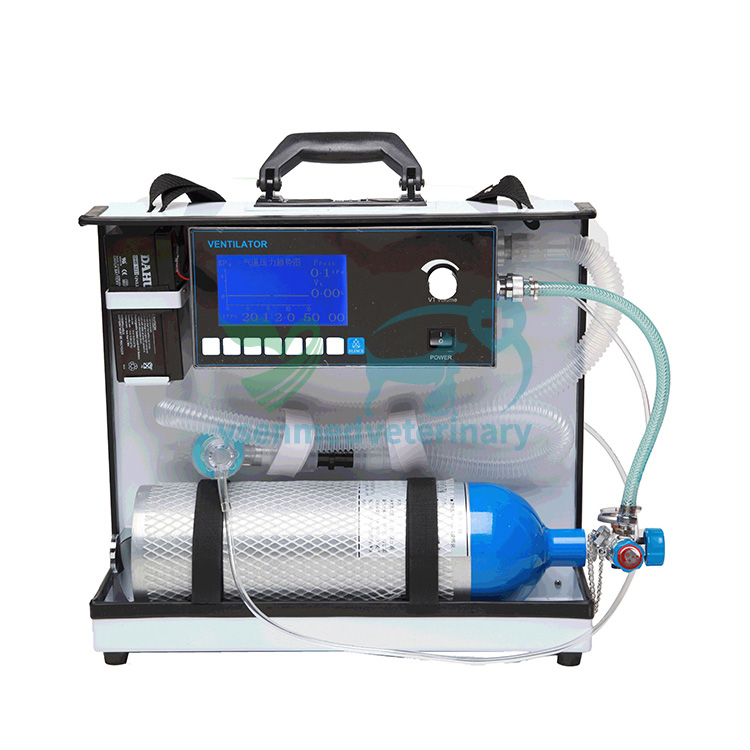
portable veterinary respirator - a compact, mobile device that can provide crucial respiratory support during emergencies.
Respiratory Distress in Pets
Pets can experience a wide range of respiratory ailments, from acute conditions like pneumonia or asthma attacks to chronic issues like heart disease or lung cancer. In these situations, providing immediate oxygen support can be a game-changer, helping to stabilize the animal and buy valuable time for further treatment.
Importance of Portable Respirators
Portable veterinary respirators are designed to be easily transported and used in various settings, from the clinic to the field. These compact, lightweight devices can be quickly deployed to assist pets in respiratory distress, ensuring they receive the oxygen they need without delay. Unlike bulky, stationary units, portable respirators allow veterinarians and technicians to provide life-saving care wherever the animal is located.
Types of Portable Veterinary Respirators
There are several types of portable veterinary respirators available, each with its own unique features and capabilities. Some common models include:
1. Resuscitation Bags: Also known as "ambu bags," these manual devices allow the user to manually squeeze air into the patient's lungs. They are simple, reliable, and ideal for short-term use.
2. Oxygen Concentrators: These units extract oxygen from the surrounding air, providing a continuous flow of enriched oxygen to the patient. They are particularly useful for longer-term respiratory support.
3. Portable Ventilators: These advanced devices automatically regulate the volume and pressure of air delivered to the patient, mimicking natural breathing patterns. They are often used for more severe or prolonged respiratory distress.
Key Features of Portable Veterinary Respirators
When selecting a portable veterinary respirator, there are several key features to consider:
1. Portability: The device should be lightweight and compact, allowing for easy transport and deployment in various settings.
2. Flexibility: Adjustable oxygen flow rates, tidal volumes, and other settings are essential for tailoring the treatment to the individual patient's needs.
3. Durability: The respirator should be rugged and able to withstand the rigors of emergency situations, such as drops, spills, and environmental extremes.
4. Ease of Use: The controls and interface should be intuitive, allowing veterinary staff to quickly set up and operate the device with confidence.
Benefits of Using Portable Veterinary Respirators
Incorporating portable veterinary respirators into your practice or emergency response toolkit can provide numerous benefits, including:
1. Improved Patient Outcomes: Prompt respiratory support can help stabilize pets in distress, reducing the risk of complications and increasing their chances of a successful recovery.
2. Enhanced Mobility: The ability to provide life-saving care wherever the animal is located allows veterinarians to act quickly and effectively, even in remote or challenging environments.
3. Cost-Effectiveness: Investing in portable respirators can be more cost-effective than maintaining a fleet of larger, stationary units, particularly for practices with limited space or budgets.
4. Versatility: Portable respirators can be used in a wide range of scenarios, from routine procedures to critical emergencies, making them a valuable addition to any veterinary practice.
Proper Use and Maintenance of Portable Veterinary Respirators
To ensure the optimal performance and longevity of your portable veterinary respirator, it's essential to follow proper usage and maintenance protocols. This includes:
1. Thorough Training: Ensure that all veterinary staff are properly trained in the safe and effective operation of the device, including troubleshooting and emergency procedures.
2. Regular Cleaning and Disinfection: Proper cleaning and disinfection of the respirator between uses is crucial to prevent the spread of infections and maintain the device's integrity.
3. Routine Maintenance: Follow the manufacturer's recommendations for scheduled maintenance, including filter changes, calibration checks, and any necessary repairs or replacements.
4. Storage and Transport: Store the respirator in a clean, dry place and secure it properly during transport to prevent damage or contamination.
Integrating Portable Veterinary Respirators into Your Practice
Incorporating portable veterinary respirators into your practice can be a straightforward process, but it requires careful planning and consideration. Some key steps include:
1. Assess Your Needs: Evaluate the specific requirements of your practice, including the types of patients you typically see, the frequency of respiratory emergencies, and the availability of existing respiratory support equipment.
2. Research and Compare: Thoroughly research the various portable respirator models on the market, considering factors like performance, features, and price to find the best fit for your practice.
3. Develop Protocols and Training: Establish clear protocols for the use and maintenance of the portable respirators, and provide comprehensive training to all veterinary staff to ensure they are prepared to use the equipment effectively.
4. Integrate into Your Emergency Response Plan: Integrate the portable respirators into your overall emergency response plan, ensuring they are readily accessible and integrated seamlessly with other critical equipment and procedures.
Conclusion
In the fast-paced and unpredictable world of veterinary medicine, having the right tools at your fingertips can be the difference between life and death for a pet in respiratory distress. Portable veterinary respirators are an essential piece of equipment that can provide immediate, life-saving oxygen support wherever it's needed. By investing in these compact, versatile devices and incorporating them into your practice, you can enhance your ability to respond to emergencies, improve patient outcomes, and provide the highest level of care for the animals under your watch.
FAQs
What is the primary function of a portable veterinary respirator?
The primary function of a portable veterinary respirator is to provide emergency respiratory support to pets in distress. These compact, mobile devices can deliver enriched oxygen to animals experiencing acute or chronic respiratory issues, helping to stabilize their condition until further treatment can be administered.
How do portable veterinary respirators differ from stationary units?
Portable veterinary respirators are designed to be easily transported and used in various settings, unlike larger, stationary units that are typically confined to a veterinary clinic or hospital. This mobility allows veterinary professionals to provide life-saving respiratory support wherever the animal is located, whether it's in the field, at home, or during transport.
What types of respiratory issues can portable veterinary respirators help treat?
Portable veterinary respirators can be used to assist pets experiencing a wide range of respiratory ailments, including acute conditions like pneumonia, asthma attacks, or respiratory infections, as well as chronic issues such as heart disease, lung cancer, or other pulmonary disorders. By delivering supplemental oxygen, these devices can help stabilize the animal and buy crucial time for further diagnostic and treatment procedures.