When it comes to veterinary medicine, having the right tools can make all the difference. One of those essential tools is the veterinary endoscope. Whether you're a seasoned vet or a pet owner curious about the process, understanding how to prepare, use, and care for an endoscope is crucial. Let's dive into the world of veterinary endoscopy and explore everything you need to know!
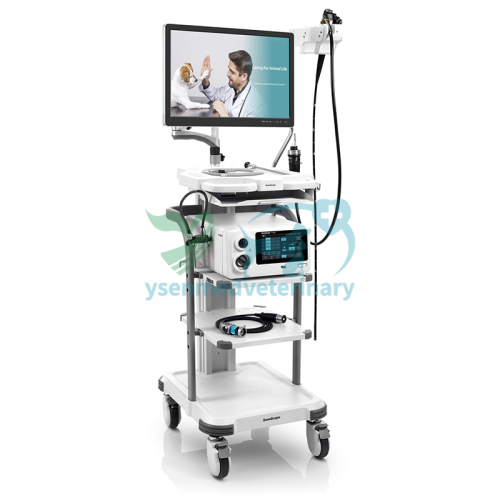
A veterinary endoscope is a specialized instrument used to visualize the interior of an animal's body. It consists of a long, flexible tube equipped with a camera and light source at the end. This tool allows veterinarians to diagnose and treat various conditions without the need for invasive surgery. Think of it as a tiny window into your pet's health!
Why Use an Endoscope?
Using an endoscope has numerous advantages. Here are a few:
- Minimally Invasive: It reduces the need for large incisions, leading to quicker recovery times.
- Real-Time Imaging: Vets can see what's happening inside the animal in real-time, allowing for immediate diagnosis.
- Biopsy Capability: Endoscopes can be used to collect tissue samples for further analysis.
Preparing for Endoscopy
Preparation is key when it comes to using an endoscope. Here's a step-by-step guide to ensure everything runs smoothly.
Choose the Right Endoscope
Different endoscopes serve different purposes. Make sure to select one that fits the specific needs of the procedure. For example, a rigid endoscope is used for examining the ear or bladder, while a flexible one is ideal for the gastrointestinal tract.
Gather Necessary Supplies
Before you start, gather all the necessary supplies:
- The endoscope
- Cleaning solutions
- Biopsy tools (if needed)
- Anesthesia equipment
- Monitoring devices
Prepare the Animal
Before the procedure, the animal should be properly prepared. This includes:
- Fasting: Most animals should not eat for several hours prior to the procedure to prevent complications.
- Anesthesia: Depending on the procedure, sedation or general anesthesia may be required. Always follow the vet's guidelines.
Set Up the Workspace
Ensure that your workspace is clean and organized. This not only helps with efficiency but also maintains a sterile environment to prevent infections.
Using the Endoscope
Now that you're prepared, let's discuss how to use the endoscope effectively.
Insert the Endoscope
With the animal properly positioned and sedated, gently insert the endoscope. Always start slowly to avoid causing discomfort. Use lubricants as needed to facilitate insertion.
Visualize the Area
Once the endoscope is in place, take your time to visualize the area. Adjust the camera angle and focus as necessary. Remember, patience is essential here—rushing can lead to mistakes.
Document Findings
As you examine the area, document your findings. This can include taking notes, capturing images, or recording video for further analysis.
Perform Procedures
If necessary, perform any required procedures, such as biopsies or foreign object removals. Ensure you have the right tools at hand, and always prioritize the animal's safety.
Post-Procedure Care
After using the endoscope, proper post-procedure care is crucial for the animal's recovery.
Monitor Recovery
Keep an eye on the animal as it wakes up from anesthesia. Monitor vital signs and ensure it is comfortable. Provide a quiet, safe space for recovery.
Follow-Up Instructions
Provide pet owners with clear follow-up instructions. This may include medication schedules, dietary restrictions, and signs to watch for that could indicate complications.
Caring for the Endoscope
Just like any other medical equipment, endoscopes require proper care to ensure longevity and functionality.
Clean After Each Use
Immediately after using the endoscope, clean it thoroughly. Use appropriate cleaning solutions that are safe for the equipment. This prevents contamination and prolongs the life of the endoscope.
Inspect Regularly
Regularly inspect the endoscope for any signs of wear or damage. Look for cracks, frayed cables, or malfunctioning components. If you notice anything unusual, it may be time for repairs or replacement.
Store Properly
When not in use, store the endoscope in a designated, clean area. Use protective cases to prevent damage. Avoid storing it in damp or humid environments, as this can lead to mold growth.
Troubleshooting Common Issues
Sometimes, things don't go as planned. Here are some common issues and how to troubleshoot them.
Image Quality Problems
If the images are blurry or unclear, check the lens for smudges or dirt. Clean the lens carefully and ensure the camera settings are correct.
Insertion Difficulties
If you encounter resistance during insertion, don't force it. Withdraw slightly and reposition the endoscope. Always prioritize the animal's comfort.
Conclusion
Using a veterinary endoscope can be a game-changer in diagnosing and treating animal health issues. By preparing adequately, using the equipment properly, and caring for it diligently, veterinarians can provide the best care possible. Remember, like any tool, the effectiveness of an endoscope lies in the hands of the user. So, take your time, stay informed, and always prioritize the well-being of your furry patients. Happy endoscoping!
FAQ
What is a veterinary endoscope used for?
A veterinary endoscope is primarily used to visualize the internal structures of an animal's body, such as the gastrointestinal tract, respiratory system, or urinary tract. It allows veterinarians to diagnose conditions like blockages, tumors, or infections without needing invasive surgery. Additionally, it can be used to perform procedures like biopsies or foreign object removals.
How should I prepare my pet for an endoscopy?
To prepare your pet for an endoscopy, you should typically withhold food for several hours before the procedure to minimize the risk of complications, such as vomiting. Your veterinarian will provide specific instructions based on your pet's health and the type of endoscopy being performed. It’s also essential to inform the vet about any medications your pet is taking.
Is anesthesia necessary for a veterinary endoscopy?
Yes, in most cases, anesthesia is necessary for a veterinary endoscopy. This is to ensure that the animal remains still and comfortable during the procedure, as movement can complicate the examination and increase the risk of injury. The type and level of anesthesia will depend on the specific procedure and the pet's health status.