When it comes to our furry friends, their health is a top priority. One of the most common issues pet owners face is ear problems. Whether it's a persistent itch, unusual odors, or frequent head shaking, ear issues can lead to discomfort and serious health concerns if left untreated. Thankfully, advancements in veterinary technology have made diagnosing these problems easier than ever. Enter the
veterinary digital video otoscope—your new best friend in pet healthcare!
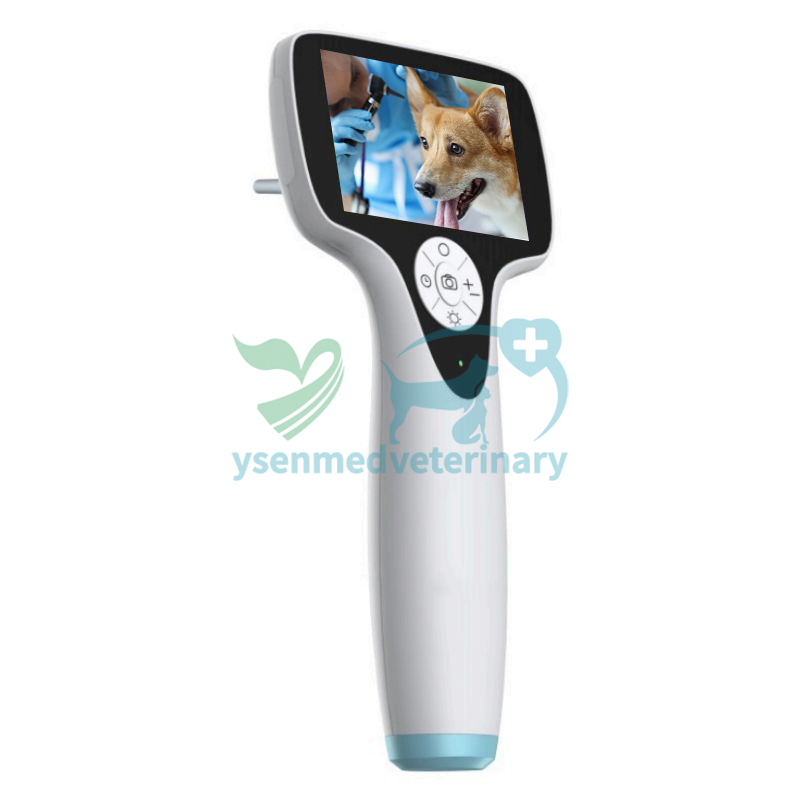
What is a Veterinary Digital Video Otoscope?
Before diving into the nitty-gritty, let's break down what a veterinary digital video otoscope actually is. Imagine a high-tech camera designed specifically for examining the insides of your pet's ears. This nifty device not only allows vets to see what's going on in there but also records the images and videos for further analysis. It's like giving your veterinarian a pair of super-powered glasses!
Why Are Ear Problems Common in Pets?
You might wonder why ear problems are so prevalent among pets, especially dogs and cats. Well, several factors contribute to this:
- Anatomy: Pets have different ear structures than humans. Their ear canals are longer and more vertical, making it easier for debris and moisture to accumulate.
- Allergies: Just like us, pets can suffer from allergies, which can lead to itching and inflammation in the ears.
- Infections: Bacterial or yeast infections can develop due to moisture, allergies, or foreign bodies lodged in the ear.
Understanding these factors can help you keep an eye out for symptoms and seek help sooner rather than later.
Common Symptoms of Ear Problems in Pets
So, how do you know if your pet is dealing with ear issues? Here are some telltale signs to watch for:
1. Head Shaking: If your pet is shaking their head like they just got out of a pool, it could be a sign of discomfort.
2. Scratching: Excessive scratching at the ears is a clear indicator that something isn't right.
3. Foul Odor: A smelly ear can be a sign of infection or wax buildup.
4. Redness or Swelling: Inflammation is a common symptom of ear problems.
5. Discharge: Any unusual discharge from the ear should raise a red flag.
If you notice any of these symptoms, it's time to take action!
The Role of a Veterinary Digital Video Otoscope in Diagnosis
Now that we've covered the basics, let's dive into how a veterinary digital video otoscope can make diagnosing ear problems a breeze. Here's how it works:
1. Clear Visualization
The digital video otoscope provides a clear and magnified view of the ear canal and eardrum. This allows veterinarians to spot issues like infections, wax buildup, or foreign objects quickly and accurately.
2. Real-Time Analysis
With the ability to view the ear canal in real-time, vets can make immediate assessments. This is crucial for deciding on the next steps in treatment, whether it's cleaning, medication, or further testing.
3. Documentation
One of the best features of a digital video otoscope is its recording capability. Vets can save images and videos of the examination, which is incredibly useful for tracking changes over time or for consultations with specialists.
4. Enhanced Communication
Having visual evidence can help veterinarians explain the situation to pet owners more effectively. Instead of just saying, “Your pet has an ear infection,” they can show you exactly what's going on. This can ease worries and foster trust between you and your vet.
How to Prepare for Your Vet Visit
If you suspect your pet has ear problems and you're heading to the vet, there are a few things you can do to prepare:
1. Observe Symptoms
Take note of any symptoms you've observed, including when they started and how severe they are. This information can be invaluable for your vet.
2. Keep a Clean Ear
While you shouldn't clean your pet's ears before the appointment (as this could remove crucial evidence), it's a good idea to avoid adding any irritants, like shampoos or sprays, a day or two before the visit.
3. Be Ready to Ask Questions
Don't hesitate to ask your vet about the diagnosis process, treatment options, and aftercare. A good vet will appreciate your curiosity and want to help you understand your pet's health.
Treatment Options for Ear Problems
Once diagnosed, what can be done about those pesky ear issues? Treatment will depend on the specific problem, but here are some common options:
1. Ear Cleaning
In many cases, a thorough cleaning of the ear canal can alleviate problems. Your vet may use a special solution to flush out debris and wax.
2. Medications
If an infection is present, your vet may prescribe antibiotics or antifungal medications. It's essential to follow the treatment plan precisely, even if your pet seems to improve quickly.
3. Allergy Management
For pets with allergies, addressing the underlying cause is crucial. This might involve dietary changes, medications, or environmental adjustments.
4. Surgery
In severe cases, surgical intervention may be necessary, especially if there are structural issues with the ear canal.
The Importance of Regular Check-Ups
Just like humans, pets benefit from regular check-ups. Routine examinations can help catch ear problems before they escalate. Your veterinarian can use the digital video otoscope during these visits to monitor ear health, ensuring everything is in tip-top shape.
DIY Ear Care: What You Can Do at Home
While professional care is essential, there are steps you can take to maintain your pet's ear health at home:
1. Regular Inspections
Make it a habit to check your pet's ears regularly. Look for signs of redness, swelling, or discharge, and get familiar with what their ears normally look like.
2. Clean Ears as Needed
If your vet recommends it, you can gently clean your pet's ears using a vet-approved solution. Avoid cotton swabs, as they can push debris further into the ear canal.
3. Keep Ears Dry
After baths or swimming, dry your pet's ears to prevent moisture buildup, which can lead to infections.
When to Seek Immediate Help
If you notice any of the following, don't wait—seek veterinary care immediately:
- Severe redness or swelling
- Persistent scratching or head shaking
- Foul-smelling discharge
- Signs of pain, such as whimpering or reluctance to let you touch their ears
Conclusion
In the world of pet care, being proactive is key. A veterinary digital video otoscope is a powerful tool that simplifies the process of diagnosing ear problems, allowing for quick and accurate treatment. By understanding the signs of ear issues and utilizing modern technology, you can ensure your furry friend stays happy and healthy. Remember, regular check-ups and attentive care can make all the difference. So, keep those ears clean, stay observant, and don't hesitate to reach out to your vet when something seems off. Your pet will thank you for it!