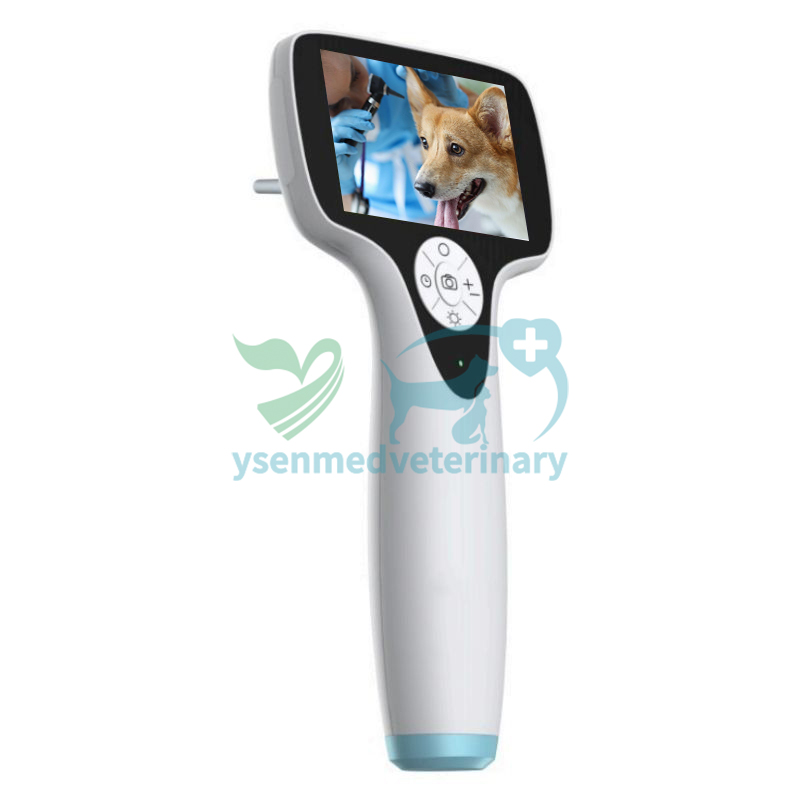
Cleaning a veterinary otoscope is essential for maintaining its functionality and ensuring that it provides accurate diagnoses. Whether you're a seasoned veterinarian or a pet owner looking to understand the process, this guide will walk you through everything you need to know. Let's dive into the nitty-gritty of otoscope cleaning!
Before we jump into the cleaning process, let's clarify what a veterinary otoscope is. An otoscope is a medical device used to examine the ear canal and eardrum of animals. It typically consists of a light source and a magnifying lens, allowing the veterinarian to see inside the ear clearly.
Why Is Cleaning Important?
You might wonder, "Why should I bother cleaning an otoscope?" Well, just like any other medical instrument, an otoscope can harbor bacteria and debris. If not cleaned properly, it can lead to inaccurate diagnoses or even infections in pets. Keeping it clean ensures the longevity of the device and the health of the animals you're examining.
When Should You Clean Your Otoscope?
Cleaning your otoscope should be a regular part of your veterinary practice. Here are some key times to clean it:
- After Each Use: To prevent cross-contamination.
- Before a New Patient: Always start fresh for each new examination.
- Periodically for Maintenance: Regular checks can help identify wear and tear.
What Do You Need for Cleaning?
Before you start the cleaning process, gather the following supplies:
- Disinfectant Wipes or Solution: Look for veterinary-approved cleaners.
- Cotton Swabs: Great for reaching into small spaces.
- Soft Cloth: For wiping down surfaces.
- Gloves: To keep everything hygienic.
- Lens Cleaning Solution: For the optical components.
Step-by-Step Cleaning Process
Now that you have your supplies ready, let's get into the cleaning process. Here's a straightforward step-by-step guide to ensure your otoscope is in tip-top shape.
Step 1: Prepare Your Workspace
Find a clean, well-lit area to work in. Lay out all your supplies and put on your gloves. This helps maintain hygiene and keeps your workspace organized.
Step 2: Disassemble the Otoscope
Carefully take apart the otoscope. Remove the speculum (the part that goes into the ear) and any other detachable components. This allows for a thorough cleaning.
Step 3: Clean the Speculum
Using disinfectant wipes or solution, thoroughly clean the speculum. Make sure to get into all the nooks and crannies. If there's stubborn debris, use a cotton swab dipped in the solution to help dislodge it.
Step 4: Wipe Down the Body
Next, take your soft cloth and wipe down the body of the otoscope. Pay special attention to the light source and any buttons. These areas can accumulate dirt and oils from your hands.
Step 5: Clean the Lens
For the lens, use a lens cleaning solution and a microfiber cloth. Gently wipe the lens in a circular motion to avoid scratching it. This step is crucial for maintaining visibility during examinations.
Step 6: Reassemble the Otoscope
Once everything is clean and dry, carefully reassemble the otoscope. Ensure that all parts fit snugly and securely.
Step 7: Store Properly
Store the otoscope in a clean, dry place. Consider using a protective case to prevent damage. Avoid leaving it in areas where it could be exposed to dust or moisture.
Tips for Maintaining Your Otoscope
Cleaning is just one part of the equation. Here are some additional tips to keep your otoscope in excellent condition:
- Regular Inspections: Check for any signs of damage or wear regularly.
- Use Quality Products: Invest in high-quality cleaning solutions and materials.
-
Follow Manufacturer Instructions: Always refer to the manufacturer's guidelines for specific cleaning recommendations.
Common Mistakes to Avoid
While cleaning your otoscope may seem straightforward, there are some common pitfalls to avoid:
- Skipping the Speculum: Don't forget to clean the speculum thoroughly; it's often the dirtiest part!
- Using Harsh Chemicals: Avoid bleach or other harsh chemicals that can damage the device.
- Neglecting the Lens: A dirty lens can lead to misdiagnosis, so always give it special attention.
The Importance of Professional Maintenance
While personal cleaning is essential, consider professional maintenance as well. Many veterinary suppliers offer services to check and calibrate your equipment regularly. This ensures that your otoscope is functioning optimally and can help catch any issues early.
Conclusion
Cleaning a veterinary otoscope may seem like a small task, but it plays a significant role in the health and well-being of the animals you care for. By following the steps outlined in this guide and maintaining a regular cleaning schedule, you can ensure that your otoscope remains a reliable tool in your veterinary practice. Remember, a clean otoscope is not just about hygiene; it's about providing the best care possible for our furry friends. So, roll up your sleeves and give your otoscope the TLC it deserves!
FAQ
How often should I clean my veterinary otoscope?
It's recommended to clean your veterinary otoscope after each use to prevent cross-contamination. Additionally, a thorough deep cleaning should be performed weekly or bi-weekly, depending on how frequently you use the device. Regular maintenance ensures optimal performance and hygiene.
Can I use regular household cleaners to clean my otoscope?
No, you should avoid using regular household cleaners, as they may contain harsh chemicals that can damage the otoscope. Instead, opt for veterinary-approved disinfectants specifically designed for medical instruments. These products are formulated to be effective while being safe for your equipment.
What should I do if I notice damage to my otoscope during cleaning?
If you discover any damage, such as cracks or malfunctioning components, it's crucial to stop using the otoscope immediately. Contact your equipment supplier or a professional repair service for guidance. Using a damaged otoscope can compromise the accuracy of your examinations and pose risks to animal health.
Is it safe to use alcohol-based solutions to clean my otoscope?
While alcohol can be effective for disinfecting surfaces, it's essential to use it cautiously. Some components of the otoscope, particularly the lens and plastic parts, may be sensitive to alcohol. Always check the manufacturer's guidelines before using alcohol-based solutions and consider using veterinary-approved cleaning products instead.
How can I ensure the longevity of my otoscope?
To prolong the life of your otoscope, follow a regular cleaning schedule, store it properly in a protective case, and conduct routine inspections for any signs of wear or damage. Additionally, avoid exposing the device to extreme temperatures or moisture, and always refer to the manufacturer's instructions for maintenance and care.